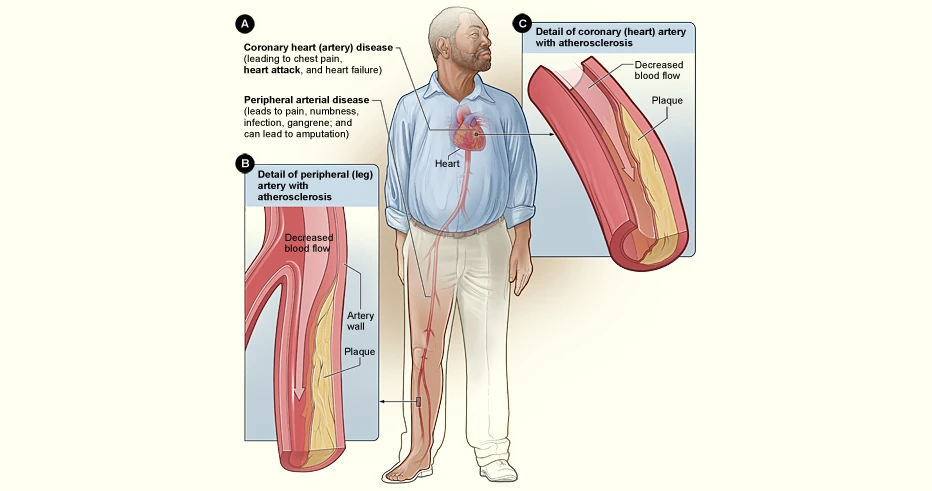
Vascular surgeons treat diseases of the arterial, venous, and lymphatic systems across the body, outside of the heart and brain. Vascular conditions often progress silently; symptoms like leg pain, non-healing wounds, or persistent swelling are frequently ignored until advanced care is required. Knowing the difference between routine warning signs and true emergencies is vital. This guide outlines ten critical symptoms to watch for and how to find an experienced vascular surgeon in Delhi.
What Does a Vascular Surgeon Treat?
A vascular surgeon diagnoses and treats conditions such as:
- Peripheral arterial disease (PAD), where narrowed arteries reduce blood flow to the legs
- Aortic aneurysms, a weakening and bulging of the body's main artery
- Carotid artery disease, an important cause of stroke
- Varicose veins and venous leg ulcers
- Deep vein thrombosis (DVT) and other blood clots
- Diabetic foot problems and gangrene
- Lymphedema and chronic venous insufficiency
- Dialysis access and injuries to blood vessels
Vascular care ranges from non-surgical options, such as medications, lifestyle modifications, and compression stockings, to minimally invasive endovascular techniques and open surgery. Importantly, seeing a vascular specialist doesn't automatically mean you need surgery.
10 Warning Signs You Shouldn't Ignore
The following are the 10 warning signs that you shouldn't ignore:
1. Leg pain when you walk that eases when you rest
Cramping or aching in the legs or buttocks triggered by walking and relieved by rest is called intermittent claudication. This classic sign of Peripheral Arterial Disease (PAD) occurs when narrowed blood vessels limit circulation to exercising muscles. Far from a harmless part of aging, PAD requires prompt medical evaluation because it correlates with an increased risk of heart attack and stroke.
2. A wound on your foot or leg that won't heal
A sore that remains unhealed after two weeks warrants a specialist assessment, as poor circulation, venous disease, or diabetes often impair wound recovery. For individuals with diabetes, even minor blisters, cuts, or cracks on the feet require prompt medical review due to the high risk of rapid infection in limbs with compromised blood flow.
3. Pain in your foot or toes at rest, especially at night
Foot pain that disrupts your sleep and eases only when you hang your leg down indicates severely reduced blood circulation when you are at rest. This symptom signals advanced-stage arterial disease that poses an immediate threat to the limb and requires prompt medical intervention to restore blood flow.
4. Color changes, coldness or dark patches on your toes or feet
A foot that feels unusually cold or looks pale, bluish, or dusky often indicates reduced blood flow. On brown or black skin, paying attention to temperature and skin texture is especially helpful, as color changes can be subtle. Black or dark patches on your toes can signal tissue death (gangrene), while a foot that suddenly becomes cold, pale, painful, or numb demands emergency medical attention.
5. Hair loss, shiny skin, or slow-growing toenails on your legs
Gradual changes like leg numbness, weakness, or muscle thinning are easy to miss, but they are classic markers of impaired arterial circulation. In men, erectile dysfunction can also stem from the same underlying issue: narrowed blood vessels restricting proper arterial flow.
6. Pain, swelling and warmth in one leg
Throbbing pain, usually in the calf or thigh, with swelling and red, darkened or warm skin in one leg, can be a sign of deep vein thrombosis, a blood clot in a deep vein. DVT needs medical assessment the same day. If leg symptoms come with chest pain or breathlessness, call 112, because the clot may have traveled to the lungs (pulmonary embolism).
7. Varicose veins that ache, itch, bleed or change your skin
Varicose veins are often harmless, but speak with a doctor if they become painful, itchy, swollen, or worsen. Seek medical advice if the skin around your ankle becomes darker, thicker, or harder, as these changes can be linked to poor blood circulation. A varicose vein that starts bleeding needs urgent medical attention. Lie down, raise the affected leg, and apply firm, continuous pressure to the bleeding area with a clean cloth or dressing. Seek medical help promptly, especially if the bleeding does not stop.
8. Swelling in an arm or leg that doesn't go down
Swelling that lasts, makes clothes, shoes or jewelry feel tight, or leaves a dent when pressed can be caused by lymphedema or long-standing vein problems. Lymphedema can get worse if it is not treated, so early assessment matters. Swelling in both legs can also have heart, kidney or liver causes, which is why a proper examination comes first.
9. Sudden weakness, a drooping face, or trouble speaking or seeing, even briefly
These are symptoms of a stroke or a transient ischaemic attack (TIA, or mini-stroke). Narrowing of the carotid arteries in the neck is one important cause. Even if the symptoms pass within minutes, call 112 and go to hospital: a TIA warns that a stroke may follow. Read more about carotid artery blockage and its symptoms.
10. A pulsing feeling in your abdomen, or back pain that won't go away
Most abdominal aortic aneurysms remain symptomless, though larger ones may cause a pulsing feeling in the abdomen or persistent back and abdominal pain. While these discomforts have multiple causes, they require evaluation, particularly for individuals over 65, smokers, or those with a family history of aneurysms. Any sudden, severe back or abdominal pain is an emergency. Explore our full guide on when an aortic aneurysm requires repair.
When It's an Emergency
Do not wait for an appointment. Call 112 or go to the nearest emergency department if you have:
- An arm or leg that suddenly becomes cold, pale, painful, numb, or weak
- A drooping face, arm weakness or slurred speech, even if it passes
- Sudden, severe pain in the abdomen or back
- Pain or swelling in a leg together with chest pain or breathlessness
- Bleeding from a varicose vein that does not stop with firm pressure
Are You at Higher Risk of Vascular Disease?
Vascular problems are more likely if you:
- Have diabetes
- Smoke, or used to smoke
- Have high blood pressure or high cholesterol
- Are over 60
- Have kidney disease, or have had a heart attack or stroke
- Have a close relative with an aneurysm or vascular disease
- Have recently undergone surgery, experienced a prolonged illness, or spent long periods without moving, all of which can increase the risk of developing blood clots
If you have risk factors for vascular conditions and experience any warning symptoms, seek medical advice promptly. Early intervention provides the widest range of management strategies. Read more to discover full details on vascular disease symptoms, risk factors, and available treatments.
What Happens at a Vascular Consultation?
A first consultation usually includes:
- A discussion about your symptoms, medical history, current medicines, and any risk factors.
- A physical examination of your legs and feet, including checking your pulses, skin condition, and any wounds.
- An ankle-brachial pressure index (ABPI) test, which compares blood pressure in your ankle with your arm to check for narrowed arteries in the legs.
- A duplex ultrasound scan to assess blood flow through the arteries and veins.
- CT angiography or other imaging tests if a vascular procedure is needed.
The surgeon will then explain what the findings mean and your options, including whether you need treatment now or can monitor the condition. Bring previous scan reports and images, discharge summaries, a list of your medicines and, if you have diabetes, your recent sugar readings.
How to Choose a Vascular Surgeon in Delhi
A search for the "best vascular surgeon in Delhi" returns long lists and star ratings, but they say little about whether a surgeon is trained and experienced to treat your condition. These questions are more useful:
- Specialist training: Does the surgeon hold a specialist qualification in vascular surgery, such as a DNB or MCh?
- Open and endovascular options: A surgeon who performs both and can recommend what suits your condition, rather than the only technique available.
- Experience with your problem: Ask how often they treat conditions like yours.
- Hospital support: Complex vascular conditions may require access to imaging, intensive care, and specialist teams for diabetes, kidney disease, and wound care, all within the same hospital.
- Clear explanations: A good consultation covers the options, the risks, and what happens if you choose to wait.
- A follow-up plan: Many vascular conditions need scans and reviews for years.
Be cautious of promises of guaranteed results, claims that a procedure is painless, or treatment recommended before your scans have been reviewed.
About Dr. (Col) Pranati Swain
Dr. (Col) Pranati Swain is a vascular & endovascular surgeon in Delhi at Sir Ganga Ram Hospital. She holds an MBBS, an MS in General Surgery, and a DNB in Peripheral Vascular Surgery. She has more than 20 years of surgical experience, including 17 years in general surgery with the Indian Army, and was the first woman vascular surgeon in the Indian Armed Forces. She treats arterial and venous disease, lymphedema, diabetic foot problems, dialysis access and vascular injuries. Read more about Dr. Swain.
If you have noticed any of these warning signs, book a consultation or call +91 98715 47888.
Frequently Asked Questions
What is the difference between a vascular surgeon and a cardiologist?
A cardiologist diagnoses and treats conditions affecting the heart and the blood vessels that supply it. A vascular surgeon treats diseases of the arteries and veins throughout the rest of the body, including the legs, arms, neck, and abdomen. Depending on the condition, treatment may include medicines, minimally invasive endovascular procedures, or open surgery. Vascular surgeons and cardiologists may also work together when a patient has both vascular and heart-related conditions.
Do I need a referral to see a vascular surgeon?
Usually not. In India, most patients can book an appointment with a vascular surgeon directly. A referral letter from your doctor is still helpful, together with any scan reports and a list of your medicines.
Is leg pain always a sign of vascular disease?
No. Leg pain has many causes, including arthritis, nerve compression from the spine, and muscle strain. Pain from narrowed arteries typically comes on with walking and eases with rest. An ankle pressure test and an ultrasound scan can show whether poor circulation is the cause.
What tests does a vascular surgeon use?
The most common are the ankle-brachial pressure index (ABPI), which compares blood pressure at the ankle and the arm, and duplex ultrasound, which shows blood flow in the arteries and veins. Neither involves radiation or needles. Doctors add CT angiography or other imaging when planning a procedure.
Can vascular disease be treated without surgery?
Yes, many vascular conditions can be managed without surgery through medicines, smoking cessation, exercise, compression stockings, and wound care. When treatment is needed, minimally invasive endovascular procedures may help, while open surgery is reserved for cases requiring surgical intervention.
Medically reviewed by Dr. (Col) Pranati Swain, MBBS, MS (General Surgery), DNB (Peripheral Vascular Surgery) · Last reviewed 1 Oct 2026
The information on this page is for general education and is not a substitute for professional medical advice, diagnosis or treatment. Outcomes vary between patients — always consult a qualified clinician about your own condition. If you have a medical emergency, call your local emergency number immediately. Read the full disclaimer.