Recently, a patient who had just started dialysis came to me for permanent dialysis access. The vein mapping seemed straightforward. On paper, there was only one feasible option—a brachiobasilic arteriovenous fistula( a complex procedure) in the upper arm. It was a good operation and would have served the purpose.
But I have always believed in a “vein-first” philosophy.
Vein mapping is an invaluable guide and it must be repeated on table , just before start of procedure . Once the patient was comfortably under a regional nerve block, I reassessed the veins myself. What initially appeared unsuitable revealed a better possibility.
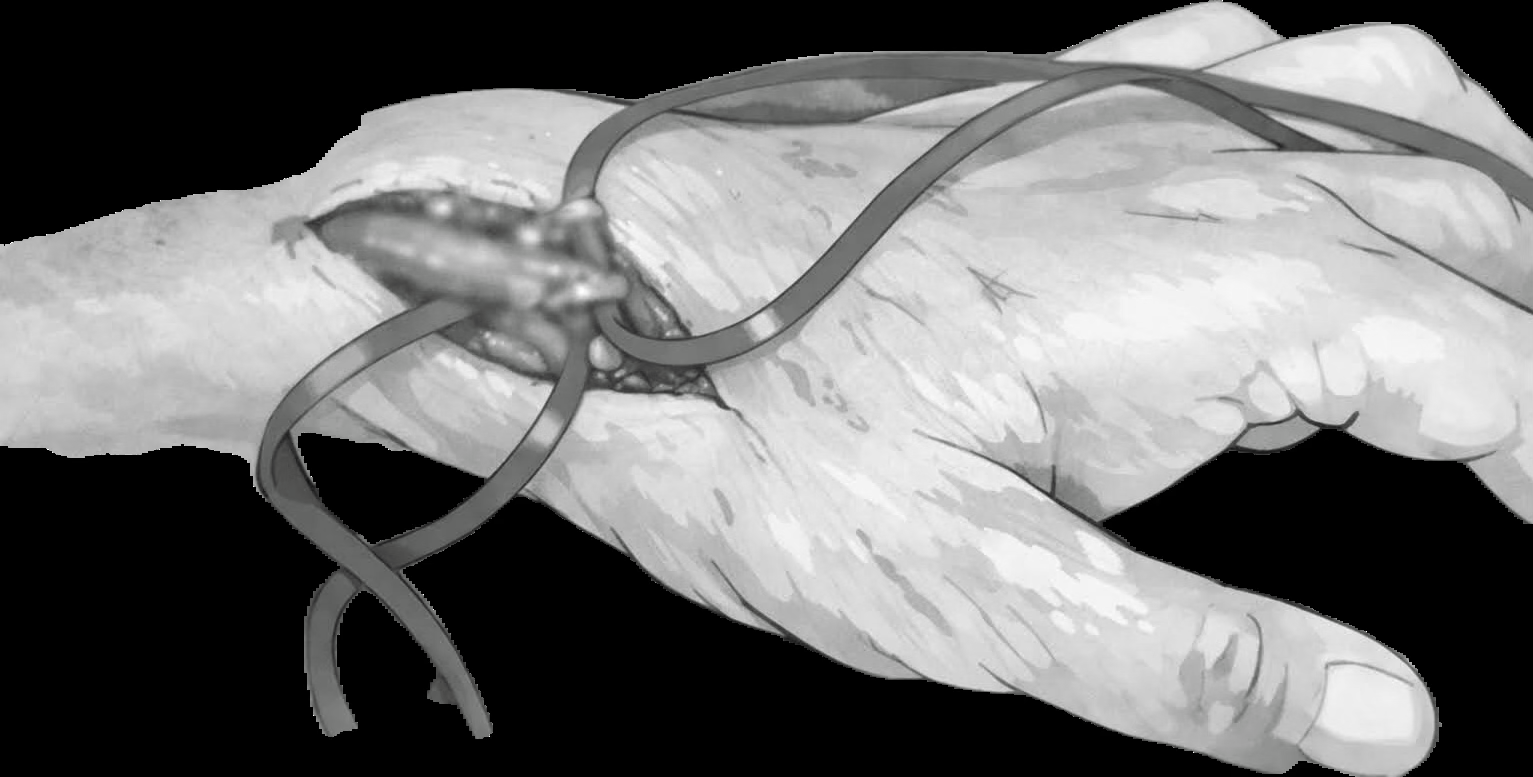
Instead of an upper-arm fistula, we were able to create a simple radio-cephalic arteriovenous fistula at the wrist.
To many people, this may sound like a small technical difference. For someone living with dialysis, it can make a significant impact.
A wrist fistula—particularly on the non-dominant (usually left) hand—is considered the most desirable form of dialysis access whenever it is possible because it:
- Preserves veins higher up the arm for the future.
- Is associated with fewer long-term complications.
- Makes repeated dialysis sessions more comfortable.
- Reduces the risk of access-related morbidity.
- Gives the patient the best chance of maintaining a functioning access for many years.
Every dialysis access has a finite lifespan. Once one access fails, the options become progressively fewer. Protecting future veins from the very beginning is one of the most important investments we can make in a patient’s long-term care.
This case was a reminder about taking the time to look again, think again, and preserve what nature has already given the patient.
For me, creating dialysis access is not simply about establishing blood flow for today’s dialysis session. It is about planning for the patient’s next five, ten, or even twenty years.
The best fistula is not the biggest one—it is the one that serves the patient best while preserving every future option.
Medically reviewed by Dr. (Col) Pranati Swain, MBBS, MS (General Surgery), DNB (Peripheral Vascular Surgery) · Last reviewed 26 Aug 2026
The information on this page is for general education and is not a substitute for professional medical advice, diagnosis or treatment. Outcomes vary between patients — always consult a qualified clinician about your own condition. If you have a medical emergency, call your local emergency number immediately. Read the full disclaimer.