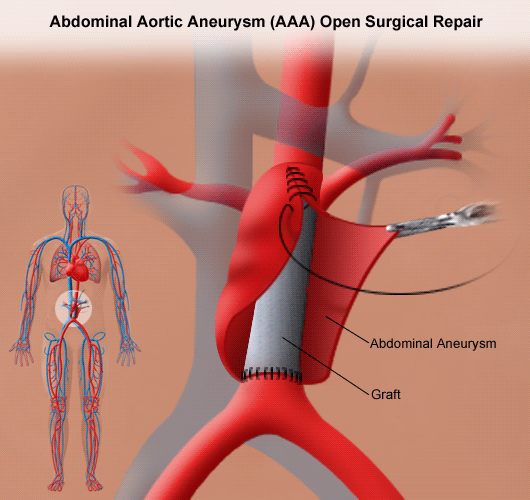
An aortic aneurysm is a potentially life-threatening condition that develops when a section of the aorta, the body's largest artery, becomes weakened and enlarges. If left untreated, an aneurysm can continue to grow and may rupture or dissect, leading to a medical emergency. Early diagnosis and timely treatment are essential for preventing serious complications. Aortic aneurysm repair in Delhi is advised when the aneurysm reaches a size or a growth rate that makes rupture more likely.
If you are considering aortic aneurysm repair in Delhi, we offer advanced diagnosis, personalized treatment planning, and expert surgical care for patients with thoracic and abdominal aortic aneurysms. With Dr. Pranati Swain's vascular practice, every patient receives evidence-based treatment tailored to their medical condition, overall health, and long-term recovery goals.
What Is an Aortic Aneurysm?
The aorta carries oxygen-rich blood from the heart to the rest of the body. When a portion of its wall weakens, it may bulge outward, forming an aneurysm. Aneurysms can develop in different parts of the aorta, including:
- Thoracic Aortic Aneurysm (Chest)
- Abdominal Aortic Aneurysm (Abdomen)
- Thoracoabdominal Aortic Aneurysm
Small aneurysms may not cause symptoms, but larger aneurysms can become dangerous if they continue to enlarge or rupture.
Who Needs Aortic Aneurysm Repair?
Not every aneurysm requires immediate surgery. However, Aortic Aneurysm Repair may be recommended if:
- The aneurysm reaches a size associated with a higher risk of rupture.
- It grows rapidly over time.
- Symptoms such as chest pain, back pain, or abdominal pain develop.
- There is evidence of leakage or dissection.
- The patient has connective tissue disorders or a strong family history.
Dr. Pranati Swain carefully evaluates each patient's condition before recommending the most appropriate treatment approach.
Symptoms of an Aortic Aneurysm
Many aneurysms remain silent until they become large. Symptoms may include:
- Persistent chest pain
- Upper back pain
- Abdominal pain
- Pulsating sensation in the abdomen
- Difficulty swallowing (thoracic aneurysm)
- Hoarseness
- Shortness of breath
Seek immediate medical attention if severe, sudden pain develops, as it may indicate rupture or dissection.
Causes and Risk Factors
Several factors increase the likelihood of developing an aortic aneurysm, including:
- High blood pressure
- Smoking
- High cholesterol
- Aging
- Atherosclerosis
- Genetic disorders affecting connective tissue
- Family history
- Previous heart or vascular disease
Managing these risk factors can help slow aneurysm progression.
Diagnosis Before Aortic Aneurysm Repair
Accurate diagnosis is essential for planning successful treatment. Diagnostic evaluation may include:
- Physical examination
- CT Angiography (CTA)
- MRI Angiography
- Echocardiography
- Ultrasound (for abdominal aneurysms)
- Blood investigations
- Cardiac evaluation before surgery
A detailed assessment allows Dr. Pranati Swain to decide which treatment approach is appropriate for you.
Aortic Aneurysm Repair Delhi: Open Surgery and EVAR
Treatment depends on the aneurysm's size, location, and the patient's overall health.
Open Aortic Aneurysm Repair
This traditional surgical procedure involves replacing the weakened section of the aorta with a durable synthetic graft. It remains the preferred option for many complex aneurysms and offers excellent long-term outcomes.
Endovascular Aneurysm Repair (EVAR/TEVAR)
For selected patients, a minimally invasive procedure may be suitable. A stent graft is inserted through small incisions in the groin and positioned inside the weakened artery to reinforce the aortic wall.
The choice between open surgery and endovascular repair depends on detailed imaging findings and patient-specific factors.
Benefits of Timely Aortic Aneurysm Repair
Early treatment provides several advantages:
- Prevents aneurysm rupture
- Reduces the risk of aortic dissection
- Improves long-term survival
- Relieves symptoms
- Preserves blood flow to vital organs
- Enhances quality of life
Timely intervention significantly lowers the risk of life-threatening complications.
Recovery After Surgery
Recovery varies depending on the type of procedure performed.
Patients are advised to:
- Follow prescribed medications.
- Attend scheduled follow-up appointments.
- Control blood pressure.
- Avoid smoking.
- Gradually resume physical activities.
- Maintain a heart-healthy diet.
- Undergo regular imaging when recommended.
Dr. Pranati Swain provides comprehensive postoperative care to support safe healing and long-term cardiovascular health.
Why patients choose Dr. Swain for aortic surgery
Choosing the right cardiovascular surgeon is critical when managing complex aortic conditions.
Patients trust Dr. Pranati Swain because of:
- Expertise in advanced cardiovascular and thoracic surgery
- Individualized treatment planning
- Thorough preoperative assessment
- Focus on patient safety
- Evidence-based surgical techniques
- Comprehensive follow-up care
- Compassionate, patient-centered approach
Every treatment plan is designed around the patient's condition, balancing benefit against surgical risk.
Schedule a Consultation
For expert aortic aneurysm repair in Delhi, consult Dr. Pranati Swain for comprehensive evaluation and advanced treatment options. Early diagnosis and timely intervention can help prevent serious complications and improve long-term heart and vascular health. Whether you require monitoring, minimally invasive treatment, or complex surgical repair, Dr. Pranati Swain's practice is committed to providing high-quality, patient-focused vascular care.
Frequently asked questions
Is every aortic aneurysm treated with surgery?
Is aortic aneurysm repair a major surgery?
How long does recovery take?
Can an aortic aneurysm come back after repair?
When should I consult a specialist?
Medically reviewed by Dr. (Col) Pranati Swain, MBBS, MS (General Surgery), DNB (Peripheral Vascular Surgery) · Last reviewed 29 Jul 2026
The information on this page is for general education and is not a substitute for professional medical advice, diagnosis or treatment. Outcomes vary between patients — always consult a qualified clinician about your own condition. If you have a medical emergency, call your local emergency number immediately. Read the full disclaimer.