Discovering you have an aortic aneurysm can be alarming, particularly when it is detected unexpectedly during a scan for an unrelated condition. Your immediate concern is likely whether you need surgery. Often, the answer is "not yet." Most aneurysms are small when first found and are best managed with active surveillance and periodic imaging. Intervention becomes necessary only when the risk of rupture outweighs the risk of treatment, specifically when an aneurysm reaches a critical size, expands rapidly, or triggers symptoms. This guide breaks down the criteria surgeons use to recommend repair, the procedures available, and how to protect your aortic health during monitoring.
What Is an Aortic Aneurysm?
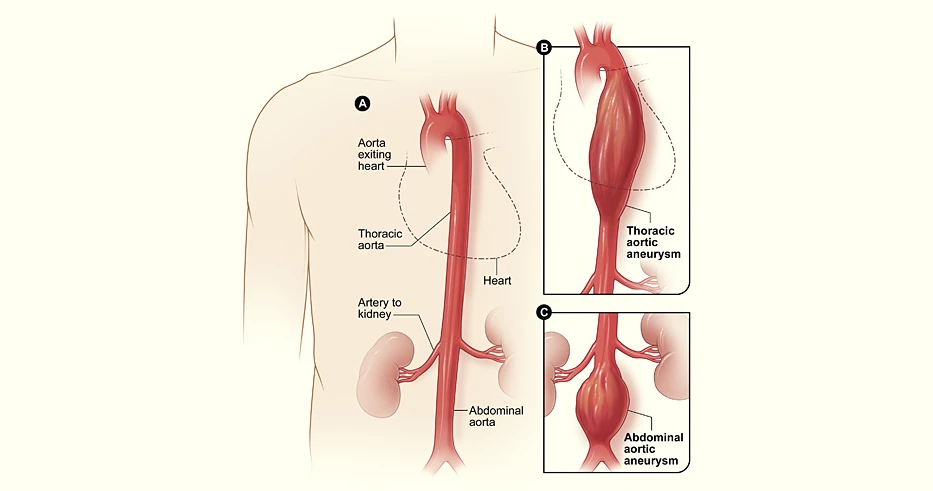
The aorta is the body's main artery. It carries blood from the heart down through the chest and abdomen. An aneurysm forms when part of its wall weakens and bulges outwards, like a balloon.
- Abdominal Aortic Aneurysms (AAA) are the most common type. They develop in the part of the aorta that runs through the abdomen. The abdominal aorta is considered aneurysmal when it measures 3 cm or more across.
- Thoracic aortic aneurysms develop in the chest. They are assessed differently, and many are treated with thoracic endovascular aortic repair (TEVAR).
While aneurysms can occur elsewhere, this guide focuses on abdominal aortic aneurysms (AAAs), where the following size thresholds apply. Most aneurysms go unnoticed until a sudden rupture triggers severe, life-threatening internal bleeding. Measuring and monitoring an aneurysm lets doctors intervene with a preventive repair before it becomes a medical emergency.
Who is more likely to develop one?
Abdominal aortic aneurysms are most frequent in men over 65 and individuals with a history of smoking. High blood pressure, elevated cholesterol, and family history further heighten risk. Although less prevalent in women, NICE guidelines highlight that aneurysms in female patients are more prone to rupture. Learn more in our overview of vascular disease symptoms and risk factors.
Why Most Aneurysms Are Not Repaired Straight Away
Every aortic repair carries procedural risks, such as bleeding, infection, and cardiovascular or renal strain. Because small aneurysms have a low immediate risk of rupture, the dangers of surgery often outweigh the benefits. Early intervention is recommended only when the risk of rupture exceeds the risk of surgery. Small and medium aneurysms are managed with active surveillance, regular ultrasound scans to track size and monitor growth. Monitoring is far from doing nothing; it is a proactive strategy with a clear threshold that triggers repair when the time is right.
Three Factors That Decide When Repair Is Needed
Here are the 3 factors that decide when an aortic aneurysm needs repair:
1. The size of the aneurysm
While size is the main indicator of risk, NICE guidelines typically recommend discussing repair of an aneurysm at 5.5 cm or larger, even without symptoms. However, your scan schedule may vary based on your overall health, previous growth patterns, and the aneurysm's specific shape. Furthermore, because aneurysms carry a higher rupture risk in women, surgeons may recommend intervention at a smaller threshold for female patients, an individual factor your specialist will discuss with you.
2. How quickly it is growing
A rapidly expanding aneurysm requires attention even if it remains under the standard 5.5 cm threshold. According to NICE guidelines, consider repair if an aneurysm over 4.0 cm grows by more than 1 cm within a single year. Sticking to your scanning schedule and using consistent measurement techniques helps distinguish real growth from minor variation between scans.
3. Whether it is causing symptoms
Any aneurysm that causes new abdominal or back pain or tenderness requires urgent medical evaluation, regardless of its size. These symptoms often signal rapid expansion or an impending rupture, making immediate treatment necessary.
Your Overall Health Matters Too
While size, growth rate, and symptoms determine the risk posed by the aneurysm itself, your general health determines whether surgery is appropriate and which procedure is best for you. Before recommending intervention, your vascular surgeon will evaluate several key factors:
- Cardiopulmonary Fitness: Assessing heart and lung capacity to ensure you can safely undergo anesthesia and surgery.
- Kidney Function: Checking renal health, as both pre-operative CT scans and minimally invasive stent placement require contrast dye.
- Overall Medical History: Factoring in co-existing conditions, such as diabetes, high blood pressure, or a history of stroke.
- Vascular Anatomy: Reviewing CT scans to determine whether the aneurysm's shape, length, and position allow a secure stent graft seal.
- Personal Preferences: Discussing your individual goals and values once the specific risks and benefits of each option are explained.
For some people with serious health problems, the risks of repair outweigh the benefits even for a large aneurysm, and continued monitoring is the better choice. It is a shared decision, and it is reasonable to take time to think it over or to ask for a second opinion.
How an Aortic Aneurysm Is Repaired
There are two main approaches. Both stop blood pressure from acting on the weakened wall, so the aneurysm can no longer rupture.
Endovascular aneurysm repair (EVAR)
In Endovascular Aneurysm Repair (EVAR), a fabric-covered stent graft is inserted through small groin incisions and guided into position using X-ray visualization. Expanding the graft lines the aorta, taking pressure off the aneurysm wall. While EVAR offers a faster recovery than open surgery by avoiding a major abdominal incision, it requires ongoing, lifelong monitoring and occasional secondary procedures to check for graft movement or leaks (endoleaks).
Open surgical repair
In open surgical repair, the surgeon makes an abdominal incision to access the aorta, replacing the dilated section with a synthetic fabric graft. While it is a larger operation with a longer recovery than EVAR, the repair is exceptionally durable and typically requires far less long-term imaging. Neither procedure is right for everyone; when both options are anatomically feasible, you and your surgeon will choose the best path together based on your imaging and overall health.
Aneurysms in the chest
Thoracic aortic aneurysms, located in the chest portion of the aorta, are often treated with TEVAR, an endovascular procedure that uses the same stent-graft principle as EVAR. Depending on the exact anatomy, doctors may utilize minimally invasive TEVAR or open thoracic surgery.
Living With an Aneurysm Under Surveillance
If your aneurysm is being monitored, these steps help:
- Keep every scan appointment. Missing a scan can mean growth goes unnoticed.
- Stop smoking. Smoking is linked to faster aneurysm growth. Ask for support to quit if you need it.
- Take blood pressure and cholesterol medicines as prescribed. People with aneurysms often have heart and artery disease elsewhere, and these medicines lower the risk of heart attack and stroke.
- Stay active. Walking and everyday activity are usually encouraged. Ask your surgeon before lifting heavy objects or straining.
- Tell your close relatives. Your siblings and children may need a screening scan to check for an aneurysm, as genetic factors can increase their risk.
- Carry a note of your diagnosis, including the latest size, in case you ever need emergency care.
Warning Signs That Need Emergency Care
Call 112 or go to the nearest emergency department immediately if you, or someone you are with:
- Develops sudden, severe pain in the abdomen or back
- Is struggling to breathe
- Has pale or grey skin
- Collapses or loses consciousness
These can be signs of a ruptured aneurysm. Do not wait to see whether the pain settles, and do not drive yourself to the hospital.
Aortic Aneurysm Repair in Delhi
Dr. (Col) Pranati Swain is a vascular & endovascular surgeon at Sir Ganga Ram Hospital, New Delhi. She assesses patients with abdominal and thoracic aortic aneurysms, reviews existing scans, and advises on surveillance and aortic aneurysm repair in Delhi, including endovascular and open approaches.
If you have been told you have an aortic aneurysm, book a consultation or call +91 98715 47888. Please bring your previous scan reports and images, and a list of your current medicines.
Frequently Asked Questions
Can an aortic aneurysm shrink or go away on its own?
No. An aneurysm does not return to a normal size without treatment, and medicines cannot shrink it. Stopping smoking and controlling blood pressure and cholesterol still matter, because they protect your heart and arteries while the aneurysm is monitored.
Is a 4 cm aortic aneurysm dangerous?
A 4 cm abdominal aortic aneurysm is classified as small and carries a low rupture risk, making regular ultrasound monitoring the standard approach rather than immediate repair. However, ongoing follow-up remains essential, as rapid expansion (over 1 cm in a single year) or the onset of symptoms may trigger a recommendation for surgery.
Can I exercise with an aortic aneurysm?
Regular moderate activity, such as walking, is generally encouraged and benefits your heart. Ask your surgeon before heavy weightlifting or activities that involve intense straining, as the advice depends on your aneurysm's size.
Is EVAR better than open surgery?
Neither is better for everyone. EVAR usually means a shorter hospital stay and faster recovery, while open surgical repair usually needs fewer further procedures and less frequent scans in the long term. The right choice depends on the aneurysm's shape, your age and overall health, and your preferences.
How long does recovery take after aortic aneurysm repair?
After EVAR, many people return to light daily activities within one to two weeks. After open repair, recovery usually takes longer, often several weeks to a few months before you can resume full activity. Your surgeon will give you a personal timeline based on your procedure and health.
Medically reviewed by Dr. (Col) Pranati Swain, MBBS, MS (General Surgery), DNB (Peripheral Vascular Surgery) · Last reviewed 23 Sep 2026
The information on this page is for general education and is not a substitute for professional medical advice, diagnosis or treatment. Outcomes vary between patients — always consult a qualified clinician about your own condition. If you have a medical emergency, call your local emergency number immediately. Read the full disclaimer.