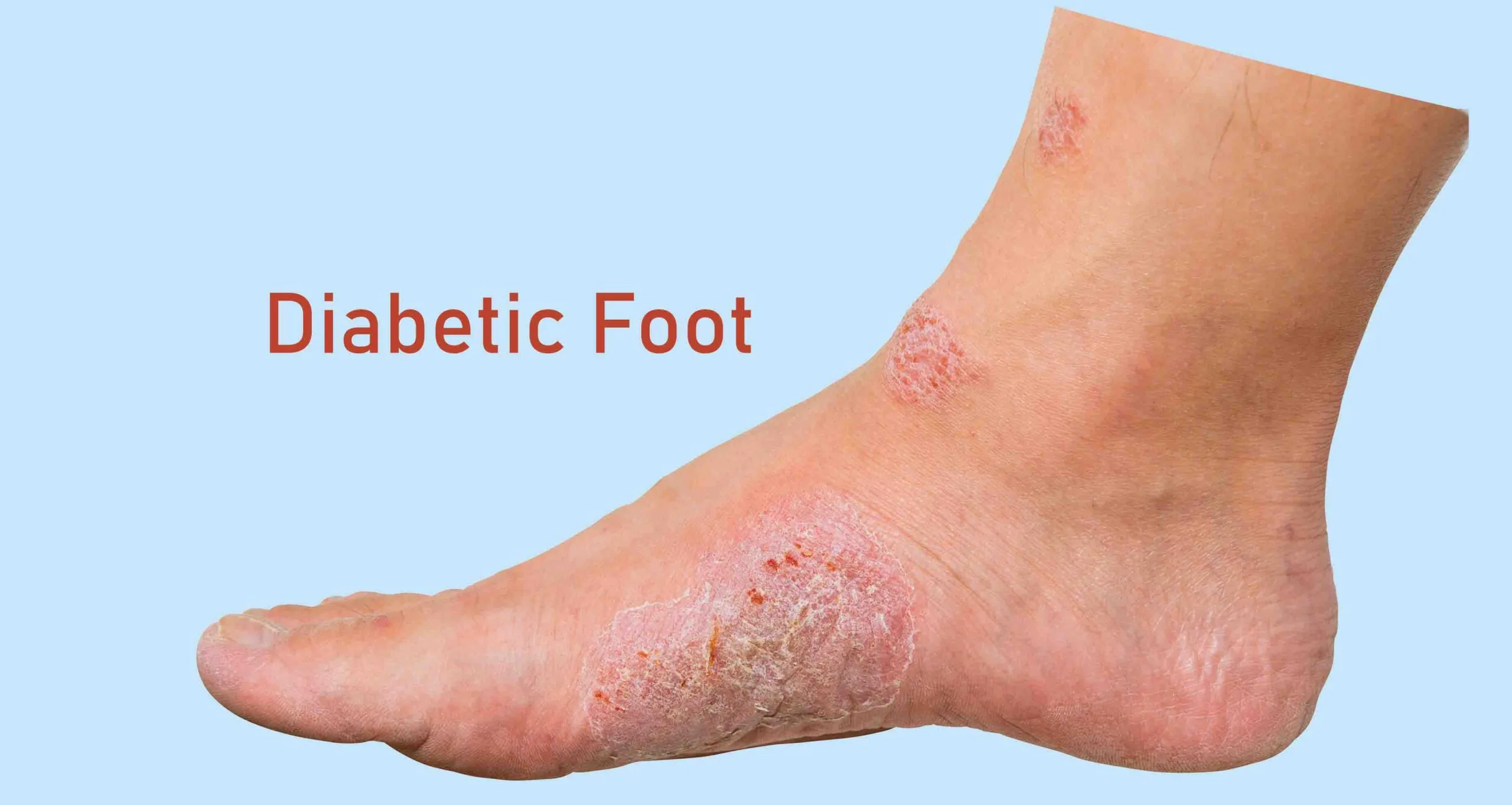
What Is Diabetic Foot?
Diabetic foot treatment in Delhi addresses the range of foot problems that can arise in people with diabetes. These usually stem from a combination of nerve damage, poor blood circulation, and delayed wound healing. A high blood sugar level in time can cause a decrease in the sensation in feet, which makes it difficult to identify burns, blisters, pressure injuries, infections. A lack of circulation can slow healing time and also increase chances of developing complications.
If care is not taken in a timely manner A minor wound could become diabetic foot ulcers and a serious inflammation, tissue damage or gangrene. Early diagnosis and appropriate diabetic foot treatment in Delhi help manage these issues, support wound healing, and lower the risk of severe complications or limb loss. Regular foot examinations are essential for diabetics who suffer from decreased sensation, circulation issues or an occurrence of foot ulcers.
Our Approach to Diabetic Foot Treatment in Delhi
Led by Dr. (Col.) Pranati Swain, Vascular and Endovascular Surgeon, our team offers comprehensive diabetic foot treatment in Delhi, focused on early detection, limb preservation, and quality of life. We integrate advanced vascular knowledge and compassionate, patient-centered treatment for the diabetic foot condition at each stage, and to prevent complications, such as the possibility of amputation.
Treatment Options at a Glance
Our diabetic foot treatment in Delhi includes:
- Vascular Evaluation - Examining blood circulation with advanced imaging techniques for diagnosing.
- Wound Care and Ulcer Management Treatments of diabetes-related foot ulcers as well as chronic injuries.
- Endovascular and Surgical Interventions Restoring blood flow with minimally invasive or surgical techniques.
- Infection Control and Limb Salvage: A shrewd treatment of infections to avoid the possibility of amputation.
- Personalized Foot Care Programs - Over the long term strategies that prevent recurrences and safeguard the health of your feet.
Our Services Include
Vascular Evaluation
We evaluate blood flow with advanced diagnostics like Doppler ultrasound Ankle-Brachial Index (ABI) and angiography, to spot circulation issues in the early stages. An accurate assessment of vascular function is a vital part of successful treatment and helps us determine the most suitable treatment plan.
Wound Care & Ulcer Management
From minor injuries to diabetic ulcers on the foot, we offer customized treatment that includes wound debridement, dressings that are advanced as well as pressure offloading, infection prevention and continuous monitoring to ensure quicker healing.
Endovascular & Surgical Interventions
When a lack of circulation hinders healing of wounds, we use minimally invasive procedures like surgery bypass or angioplasty to improve blood flow and enhance the chance of limb salvage.
Infection Control & Limb Salvage
Our team is determined to stop infection by using targeted antibiotics, swift surgery when needed and a comprehensive wound care program to decrease the risk of amputations that are major.
Customized Foot Care Plans
Every patient receives individual instructions on managing blood sugar and the importance of foot hygiene, choosing footwear and treatment of nails, lifestyle modifications and a regular check-up to avoid any future issues.
Understanding Diabetic Foot Complications
Diabetes requires continuous treatment, and one of the most severe and often neglected complications is the diabetic foot disease. A high blood sugar level can affect nerves (diabetic neuropathy) and blood vessels, leading to decreased sensation, impaired circulation and delayed wound healing and a higher chance of developing infections.
If not treated promptly, even a small cut, callus or blister can turn into a non-healing wound or gangrene, which may become severe and lead to limb loss.
Stages of Diabetic Foot Disease
Diabetic foot diseases usually progress slowly. Knowing the stages of the disease can help patients get treatment before the complications become serious.
Stage 1 - Diabetic Neuropathy
The loss of sensation, tingling burning pain, the sensation of numbness can make it difficult to spot injuries.
Stage 2 - Foot Ulcer Formation
Minor cuts, pressure points or blisters do not heal due to the lack of circulation and weakened immunity.
Stage 3 - Infection
Infected ulcers that are not treated can develop and cause redness, swelling discharge, foul smell and a rise in pain.
Stage 4 - Gangrene
The blood flow of a patient can lead to tissue loss (gangrene) which can significantly increase the likelihood of amputations if not treated quickly.
Intervening in the first two stages offers the best chance of successful treatment and limb preservation.
Why Early Detection Matters
Every year thousands of individuals lose limbs as a result of diabetic foot issues. Most of them are avoidable with prompt diagnosis and expert treatment. Recognising the warning signs early and starting specialised diabetic foot treatment in Delhi can support healing and reduce the likelihood of serious complications.
Common symptoms are:
- Foot ulcers that persist or wounds that aren't healing
- Redness, swelling or a warm sensation in the foot
- The sensation is lost or it becomes tingly.
- Changes in the skin's colour
- A foul-smelling discharge or indications of infection
If you or someone close to you has any of these symptoms an immediate blood test is vital.
Do you notice any of these symptoms? An early diagnosis can save your foot from serious problems. Get a vascular examination as soon as possible.
How We Diagnose Diabetic Foot Problems
Each patient receives a comprehensive evaluation of their clinical condition to pinpoint the root of diabetic foot issues prior to the beginning of treatment.
Our evaluation could comprise:
- Clinical foot exam
- Doppler Ultrasound
- Ankle-Brachial Index (ABI)
- CT as well as Digital Subtraction Angiography (when required)
- Assessment of ulcers and wounds
- Infection evaluation
- Blood circulation assessment
This broad approach allows us to create a customised treatment plan focused on wound healing, restoring circulation, and preventing recurrence.
Meet Your Surgeon
Dr. (Col.) Pranati Swain has over two decades of experience in endovascular and vascular surgery, and has a particular interest in foot and diabetic treatment and peripheral arterial disease and preservation of the limb. Her multidisciplinary approach is focused on the early diagnosis of advanced vascular treatments as well as comprehensive wound treatment to support recovery for each patient.
Diabetic Foot Care in Delhi - Why Choose Dr. Pranati Swain
Patients seeking diabetic foot treatment in Delhi can draw on the experience of Dr. (Col.) Pranati Swain, a Vascular and Endovascular Surgeon who works in diabetic foot care, vascular disease, and limb preservation. Her approach is a combination of detailed assessments of vascular health, the most advanced treatment methods, and customized care to address the root issues that lead to diabetic foot problems.
With years of expertise in vascular surgery and an emphasis on the recovery of limbs Dr. Pranati Swain evaluates each patient in a unique way to determine the appropriate method of treatment. Her expertise is in managing diabetic foot ulcers as well as poor circulation infections, as well as other complications that cause limb damage.
Her impressive experience in medical personnel of the Armed Forces Medical Services further illustrates her dedication to rigorous, evidence-based and patient-centric vascular care. The aim is not merely to treat the current problem, but also to support healing, protect the limb, and lower the likelihood of future complications.
Empower Yourself with Knowledge
Our belief is that education and awareness are the initial step to preventive measures. Our platform helps patients:
- Be aware of the dangers associated with foot and ankle diabetes.
- Know the warning signs to look out for.
- Learn to take care of your shoes at home.
- Be aware of when you should get professional assistance.
- Understand how timely treatment can prevent major complications.
Preventing Diabetic Foot Complications at Home
Simple habits that are daily can significantly lower the chance for diabetic foot ulcers as well as infections.
- Be sure to check your feet each day for any cuts, blisters swelling, cuts, or color changes.
- Cleanse and dry the feet completely, particularly between the toes.
- Wear shoes that are properly fitted and be sure to avoid walking barefoot.
- Keep your blood sugar under good control.
- Cut toenails with care or seek an expert foot care professional if you need it.
- Get medical attention immediately for any injury that doesn't heal within some days.
Prevention remains one of the best ways to avoid complications that require more advanced treatment.
Don't Wait -- Your Feet Matter
If you suffer from diabetes regular foot exams will help you avoid serious problems prior to their onset. If you're suffering from an unhealing foot injury, non-healing wound or numbness, as well as desire to ensure your foot health over time an early appointment with an expert in vascular medicine could make all the difference.
Book a Consultation
For diabetic foot treatment in Delhi, consult Dr. (Col.) Pranati Swain for a comprehensive assessment, vascular treatment, and management of diabetic foot ulcers with a focus on limb preservation. A timely diagnosis and personalized treatment will help avoid complications and enhance the quality of your life.
Frequently asked questions
Can diabetic foot ulcers be treated without surgery?
How long will the healing process of diabetic foot ulcers last?
Is amputation always necessary?
If a diabetic patient is at risk, when should they consult a surgeon for vascular surgery?
Medically reviewed by Dr. (Col) Pranati Swain, MBBS, MS (General Surgery), DNB (Peripheral Vascular Surgery) · Last reviewed 10 Jun 2026
The information on this page is for general education and is not a substitute for professional medical advice, diagnosis or treatment. Outcomes vary between patients — always consult a qualified clinician about your own condition. If you have a medical emergency, call your local emergency number immediately. Read the full disclaimer.