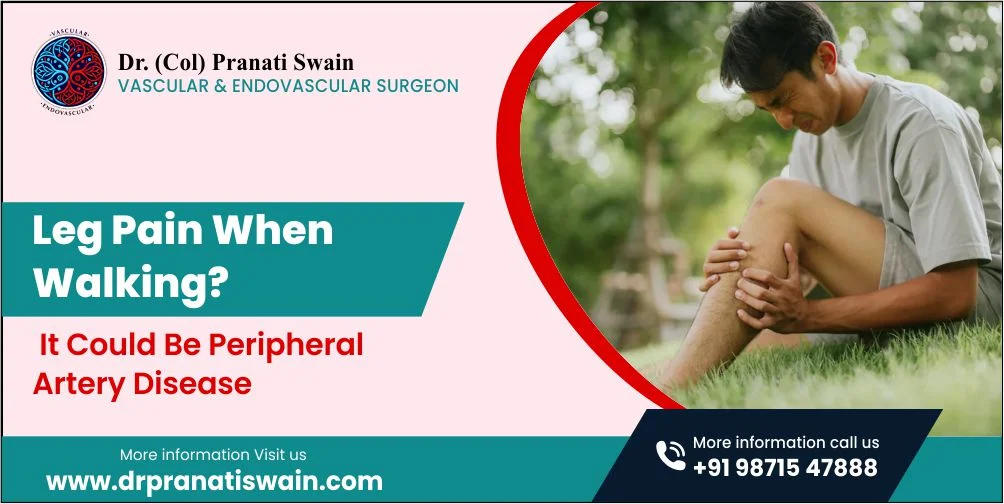
Leg pain that starts while walking and eases with a few minutes of rest can be a sign of peripheral artery disease (PAD), where narrowed arteries reduce blood flow to the legs. Other warning signs include cold feet, skin colour changes, slow-healing foot wounds and pain at rest. A vascular assessment can confirm the cause.
Leg pain that develops while walking and improves with rest may be more than tired muscles. It can sometimes point to a circulation problem that needs medical attention. Recognising peripheral artery disease symptoms early helps patients seek timely evaluation and understand their treatment options.
Dr. (Col) Pranati Swain, a Vascular and Endovascular Surgeon with over 20 years of surgical experience in the Indian Armed Forces, evaluates and treats complex vascular conditions, including peripheral arterial disease. Left untreated, PAD can lead to serious complications. With the right assessment, lifestyle changes, medicines and, when needed, vascular procedures, many people can manage the condition and protect their long-term vascular health.
What Is Peripheral Artery Disease?
Peripheral artery disease (PAD) develops when the arteries supplying blood to the legs become narrowed, usually because of atherosclerosis. In this process, fatty deposits, cholesterol and other substances build up inside the artery walls and restrict blood flow.
When the leg muscles do not get enough oxygen-rich blood during activity, discomfort or cramping can occur. This symptom is called intermittent claudication. It often appears while walking or climbing stairs and improves after a short rest.
PAD does not always cause noticeable symptoms in its early stages. Some people have reduced circulation without the typical leg pain, which is why awareness and a proper medical evaluation matter.
What Are the Common Symptoms of Peripheral Artery Disease?
PAD symptoms vary with how much blood flow is restricted. Noticing changes in your legs and feet helps you know when to seek medical advice. These are seven signs to watch for.
1. Leg Pain When Walking
One of the most common warning signs is pain, cramping or aching in the calf, thigh or buttock while walking. The discomfort often starts after a fairly consistent walking distance and eases when you stop and rest.
This pattern happens because working muscles need more oxygen than narrowed arteries can deliver. If leg pain when walking keeps coming back, especially without an obvious muscle injury, consult a healthcare professional for assessment.
2. Pain That Occurs at Rest
As arterial narrowing becomes more severe, pain may occur even when you are not active. Some people feel pain in their feet or toes while resting, particularly at night.
Persistent rest pain can mean blood flow is critically reduced and needs urgent medical evaluation. Do not dismiss recurring foot pain as a normal part of ageing or activity.
3. Cold Feet or Toes
One foot may feel noticeably colder than the other because of reduced circulation. Cold feet have many causes, but a lasting temperature difference together with pain, numbness or skin changes may point to an artery problem.
Sudden coldness in the foot with severe pain, paleness or loss of feeling can signal acute limb ischaemia, which is a medical emergency.
4. Changes in Skin Colour
Poor circulation can make the skin of the legs or feet look pale, bluish or unusually discoloured. Some people notice their feet change colour when they raise or lower their legs.
These changes should be assessed together with other symptoms, particularly if they are new or getting worse.
5. Slow-Healing Wounds on the Feet
Cuts, blisters and sores may take longer to heal when the blood supply is poor. Wounds on the toes, heels or feet need particular attention in people with diabetes or known arterial disease. Read more about diabetic foot care and treatment.
A wound that is not healing, is becoming more painful or shows signs of infection needs prompt medical evaluation. Severe circulation problems raise the risk of tissue damage and, in advanced cases, gangrene.
6. Numbness, Tingling or Weakness
Reduced blood flow can cause discomfort or altered sensation in the legs and feet. However, numbness and tingling can also come from nerve problems, diabetes or spinal conditions.
A medical assessment helps tell PAD apart from these other causes. Sudden numbness or weakness, especially with a cold or painful limb, needs emergency attention.
7. Reduced Hair Growth or Toenail Changes
Some people with long-standing PAD notice less hair on their lower legs, slow-growing toenails or thicker nails. These signs develop when circulation has been poor for a long time.
On their own, these changes do not confirm PAD, but together with other symptoms they may support the need for further tests.
Who Is at Greater Risk of Developing PAD?
Certain health conditions and lifestyle factors make peripheral artery disease more likely:
- Smoking: Tobacco damages blood vessels and strongly raises the risk of arterial disease.
- Diabetes: High blood sugar can damage blood vessels and is linked to circulation problems.
- High blood pressure: Uncontrolled blood pressure can damage artery walls.
- High cholesterol: Raised cholesterol can encourage plaque to form inside arteries.
- Increasing age: The risk of PAD rises with age, particularly with other cardiovascular risk factors.
- Existing cardiovascular disease: People with coronary artery disease or a history of stroke are also at higher risk of PAD.
Having one or more risk factors does not mean you have PAD. People with these risk factors should discuss assessment with their doctor, particularly if they have recurring leg pain or foot wounds.
How Is Peripheral Artery Disease Diagnosed?
Diagnosing PAD involves looking at symptoms, medical history, blood circulation and risk factors. A doctor may check the pulses in your legs and feet, feel the skin temperature and look for wounds or colour changes. These tests may help confirm the diagnosis:
- Ankle-brachial index (ABI): A simple, non-invasive test that compares blood pressure at the ankle with blood pressure in the arm. A lower reading may mean reduced blood flow to the legs.
- Doppler ultrasound: Uses sound waves to see how blood moves through the arteries and find areas where flow is restricted.
- CT angiography or other vascular imaging: Shows the location and extent of narrowing in more detail and helps plan treatment.
The tests recommended depend on your symptoms, examination findings and whether a procedure is being considered.
What Are the Treatment Options for Peripheral Artery Disease?
The right peripheral artery disease treatment depends on how severe the condition is, how much it affects daily life and whether the limb is at risk. Treatment decisions and results vary between patients.
Lifestyle Changes and Medicines
For many patients, treatment starts with managing cardiovascular risk factors. A supervised walking programme may improve walking ability in people with stable PAD. Stopping smoking, controlling blood pressure, managing diabetes and lowering cholesterol are also important.
Doctors may prescribe antiplatelet medicines, cholesterol-lowering medicines or other treatments based on each patient's situation. Medicines should only be taken as advised by a qualified doctor.
Angioplasty and Stenting
If symptoms limit daily activities despite medical treatment and exercise, or if blood flow is critically reduced, a doctor may consider an endovascular procedure.
During angioplasty, a catheter with a small balloon is guided to the narrowed artery and inflated to improve blood flow. In selected cases, a stent is placed to help keep the artery open. These procedures are minimally invasive, but their suitability depends on where the blockage is, how long it is and the patient's overall health.
Bypass Surgery
For selected patients with long or complex blockages, bypass surgery may be recommended. The surgeon creates a new route for blood to flow around the blocked section of the artery.
Choosing between medical management, an endovascular procedure and bypass surgery needs an individual assessment.
When Should You Consult a Vascular Surgeon in Delhi?
Recurring leg pain while walking, persistently cold feet, slow-healing foot wounds or pain at rest should not be ignored. These symptoms can have several causes, but finding reduced arterial circulation early can help slow its progress and guide treatment. See other warning signs that need a vascular surgeon.
Consulting an experienced vascular surgeon in Delhi helps you find out whether your symptoms come from PAD or another vascular condition. Dr. (Col) Pranati Swain provides specialist evaluation for arterial disease at Sir Ganga Ram Hospital, New Delhi, with treatment planned around clinical findings, imaging results and individual needs. You can book a consultation with Dr. (Col) Pranati Swain.
People with diabetes, a history of smoking or known cardiovascular disease should watch closely for changes in their feet and legs. If you develop sudden, severe leg pain with coldness, paleness, numbness or weakness, call 112 or go to the emergency department immediately. These symptoms may mean the blood supply has suddenly stopped, and you should not wait for a routine appointment.
Conclusion
Leg pain while walking can sometimes point to peripheral artery disease, especially when it comes on with activity and eases with rest. Other warning signs include cold feet, skin colour changes, slow-healing wounds and pain at rest.
Recognising peripheral artery disease symptoms and getting the right assessment helps find circulation problems before serious complications develop. With timely diagnosis, risk-factor control and appropriate treatment, patients can work towards better mobility and healthier limbs.
If you have persistent leg pain or other signs of poor circulation, seek medical advice to understand the cause and your treatment options.
Sources
- National Heart, Lung, and Blood Institute (NIH): Peripheral Artery Disease Symptoms
- NHS: Peripheral arterial disease (PAD)
- MedlinePlus (NIH): Peripheral artery disease of the legs – self-care
Medical disclaimer: This article is for general information only and is not a substitute for professional medical advice, diagnosis or treatment. Treatment decisions and results vary between patients. In an emergency, call 112 immediately.
Medically reviewed by Dr. (Col) Pranati Swain, MBBS, MS (General Surgery), DNB (Peripheral Vascular Surgery) · Last reviewed 2 Nov 2026
The information on this page is for general education and is not a substitute for professional medical advice, diagnosis or treatment. Outcomes vary between patients — always consult a qualified clinician about your own condition. If you have a medical emergency, call your local emergency number immediately. Read the full disclaimer.